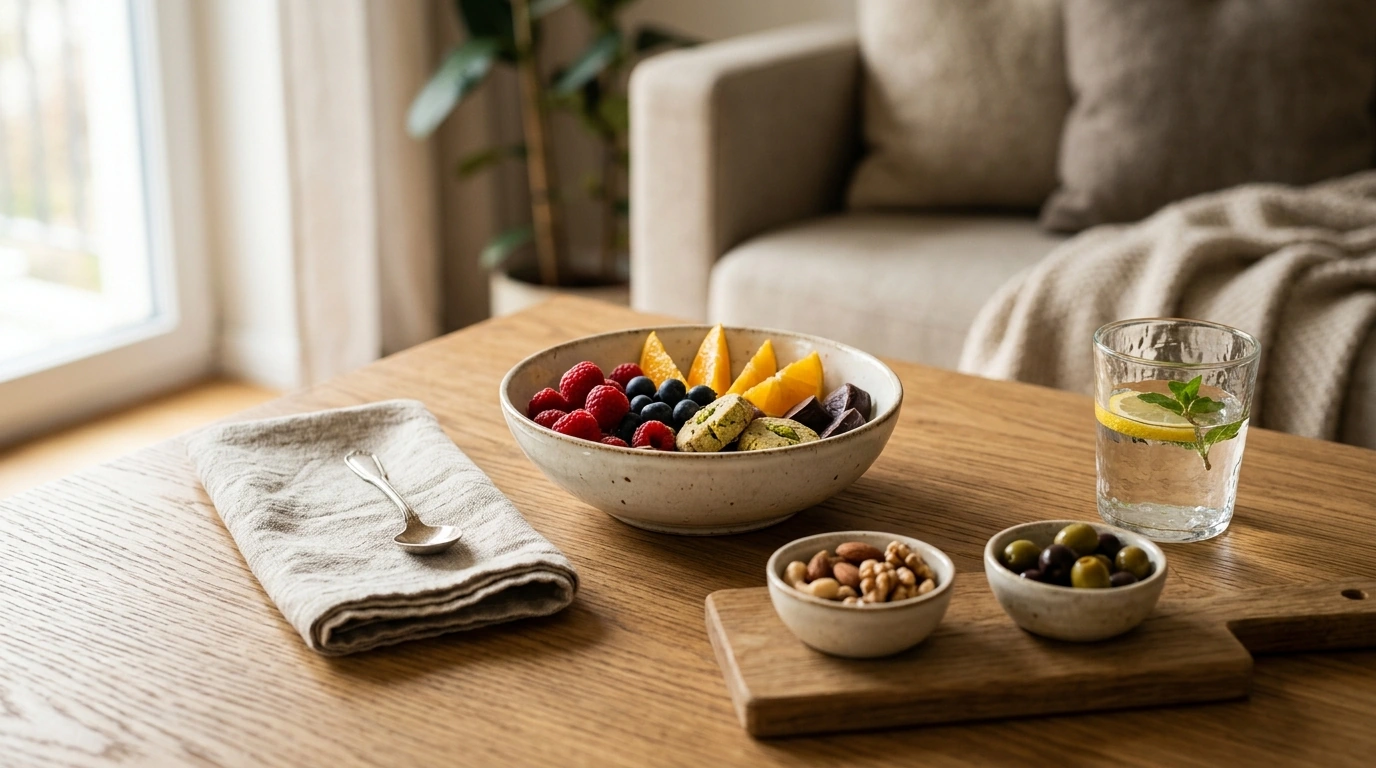
A small dessert bowl can change the feel of everyday snacking and hosting—making fruit, sweets, and tapas-style bites look intentional instead of hurried. This European-inspired ceramic bowl is designed for neat portions, attractive plating, and easy serving, whether it’s a weeknight treat or a coffee-table spread for guests. For more guidance, see How to cook a medieval feast: 11 recipes from the Middle Ages.
If you’re building a collection of pieces that look pulled-together without being fussy, the European Ceramic Dessert Bowl – Elegant Small Dish for Snacks, Fruit, and Sweets is an easy starting point: compact enough for daily use, yet polished enough for company. For further reading, see Best Desserts! – Pike Place Market.
Ceramic also tends to photograph beautifully at the table—matte or glossy finishes catch light in a softer way than metal and feel more “dessert-ready” than many prep-only bowls.
A small bowl earns its keep when it moves smoothly between everyday routines and hosting moments. This style works well for quick solo treats as well as multi-bowl spreads.
| What to serve | Simple pairing | Occasion |
|---|---|---|
| Fresh berries | Whipped cream or dark chocolate shards | Brunch, dessert board |
| Mixed nuts | Dried fruit and a cheese plate | Wine night, grazing table |
| Ice cream | Shortbread cookies or espresso | After-dinner treat |
| Olives or pickles | Crackers and sliced cheese | Appetizers |
| Dips (hummus, salsa) | Cut vegetables or pita chips | Party snacks |
Small bowls are a secret weapon for making a spread look curated, even when the food is simple. A few intentional choices can turn “snacks on the table” into a relaxed, café-like moment.
For an instant “set,” pair the bowl with textured drinkware like the 4PCS Retro Bead Drinking Glass Set. The glass-and-ceramic mix feels warm and collected, not matchy-matchy.
Ceramic is made for daily life, but a few habits help it stay looking clean and bright—especially when you’re serving sticky sweets or dairy-based desserts.
When choosing ceramicware for food use, it’s also worth being aware of general consumer guidance on ceramic foodware safety. The U.S. Food & Drug Administration’s overview on lead in food and foodwares is a helpful reference, as is the California Department of Public Health information on lead in ceramicware.
| Material | Strengths | Trade-offs |
|---|---|---|
| Ceramic | Elegant presentation, pleasant weight, versatile for sweet or savory | Avoid severe temperature shocks; can chip if dropped |
| Glass | Crisp, modern look; shows layers (parfaits, fruit) | Shows smudges; can shatter on impact |
| Plastic | Lightweight, inexpensive, kid-friendly | Less refined look; can retain odors or stain over time |
| Metal | Durable for prep; lightweight options available | Not ideal for showcasing desserts; may react with some acidic foods if not stainless |
Yes. A small ceramic bowl works well for desserts, fruit, nuts, dips, olives, and small sides, and the neutral material keeps presentation looking clean for both sweet and savory serving.
Wash with gentle dish soap and a non-abrasive sponge, and rinse soon after sticky toppings or dairy-based desserts. Avoid harsh scouring pads that can dull the finish over time.
Bite-size portions look most polished: berries, a single scoop of ice cream, small candies, nuts, or toppings like sprinkles and flaky salt. Keeping portions neat also makes a multi-bowl spread look more organized.







Leave a comment