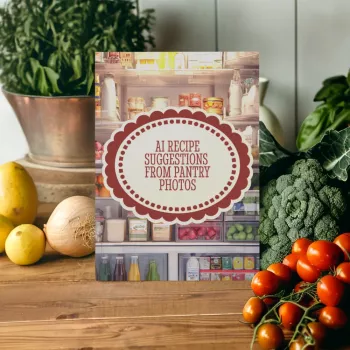
A quick pantry photo can become a practical dinner plan when it’s paired with a repeatable method: capture ingredients clearly, confirm what you actually have, choose a cooking style, and then generate a few dependable recipes that fit your time, tools, and preferences. The payoff is speed (less decision fatigue), lower food waste (you use what’s already there), and fewer “random pantry” nights that end in takeout.
Pantry-photo cooking shines when your shelves are full of shelf-stable building blocks and you want ideas that combine them in flexible ways. It can stumble when labels aren’t visible, ingredients look alike, or you forget the fridge/freezer items that complete a meal.
A few small photo upgrades can dramatically improve the usefulness of the suggestions you get. Think “easy to scan” instead of “aesthetic pantry shot.”
Once you have decent photos, the goal is to move from “what do we have?” to “what are we making?” with minimal back-and-forth.
For leftovers and storage, follow basic food safety guidance from USDA Food Safety and Inspection Service and general storage recommendations from the FDA.
| Issue | Why it happens | What to do next |
|---|---|---|
| Blurry labels on jars/cans | Glare or distance hides key text | Retake closer photos; add one side-angle shot to reduce glare |
| “Sauce” suggestions don’t match what you own | Similar-looking bottles (soy, teriyaki, Worcestershire) | List the exact sauce names and ask for 2 flavor profiles per sauce |
| Recipes assume fresh produce you don’t have | Most recipes rely on onions/garlic/greens | Ask for pantry-only versions plus a short optional fresh add-on list |
| Meals don’t feel balanced | Pantry photos often miss veggies | Add frozen/canned veg to the inventory and request a veg-forward option |
| Too spicy/too bland outcomes | Spice levels vary across cuisines | Ask for a base seasoning and an “add heat at the table” strategy |
A dedicated guide can standardize the whole process—from clearer photo capture to smarter inventory checks and recipe variations that help reduce waste and repetition. For a structured, ready-to-use approach, see AI Recipe Suggestions from Pantry Photos | Smart Cooking Guide with AI Meal Ideas & Pantry Photo Recipes.
When you’re building meals from “almost-there” ingredients, fast flavor upgrades matter. A reliable hand grater helps you turn small amounts of cheese, citrus zest, garlic, or vegetables into a bigger-tasting meal with minimal prep, such as the Stainless Steel Vertical Food Grater with Wooden Handle – Manual 3-in-1 Slicer or the Premium Acacia Wood Cheese Grater with Stainless Steel Blade and Catch Box.
Finally, everyday meals feel more “planned” when serving is simple and consistent. Something as basic as a dedicated glass set can help meals feel finished (and make it easier to stick with what’s at home), like the 4PCS Retro Bead Drinking Glass Set.
Yes—use condiments as the flavor engine (sauces, dressings, spreads) and add one staple carb or protein like rice, pasta, beans, or eggs. A short 1–3 item add-on list (like frozen vegetables, rotisserie chicken, or tortillas) can turn “snacks and sauces” into full dinners.
Confirm expiration dates, labels for allergens, and how much you actually have before you start. Also verify whether an item is cooked vs. raw, and follow safe cooling and storage practices for leftovers.
Keep the core staples the same (beans, rice, pasta, tomatoes) and rotate cuisine direction, cooking method (soup vs. bowl vs. bake), and finishing touches (acid, herbs/spices, crunchy toppings). Planning three variations at once makes it easier to avoid repeating the same flavor profile.








Leave a comment