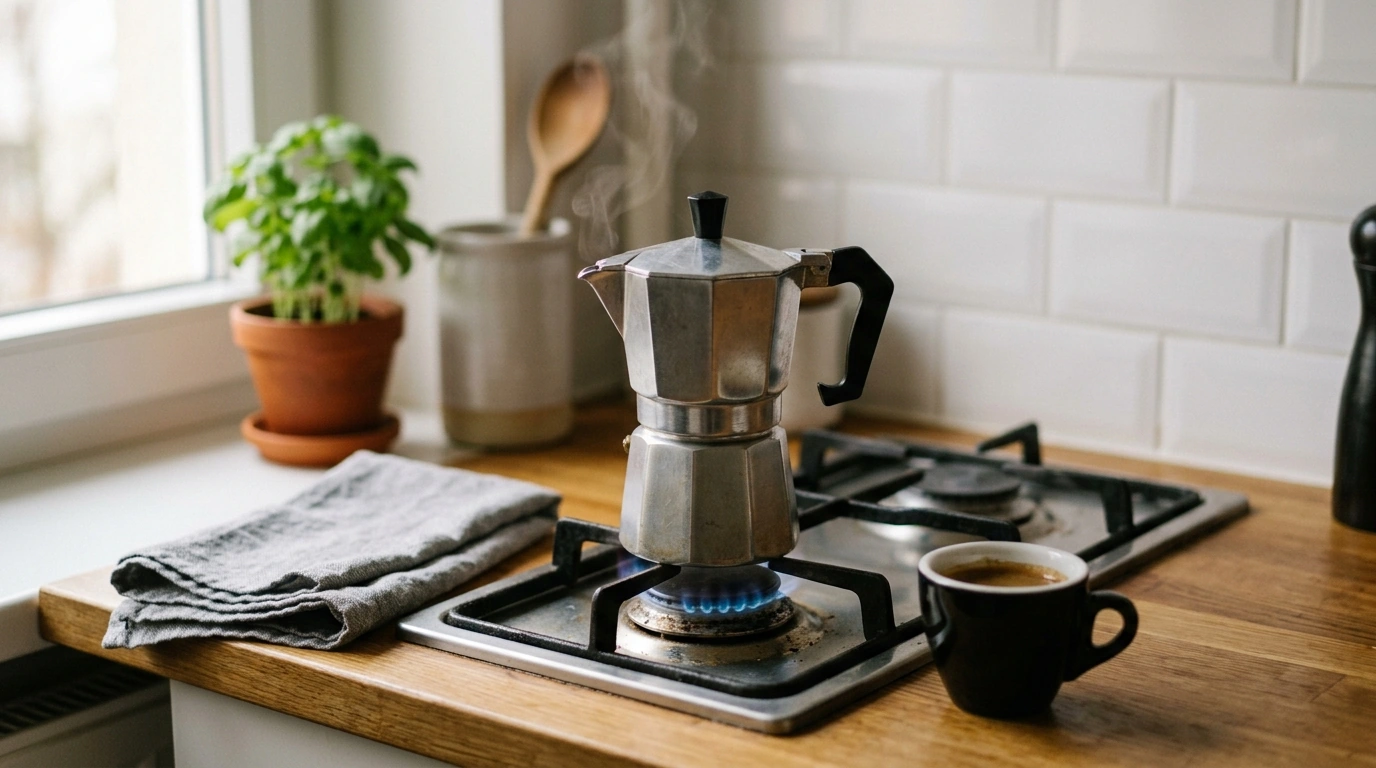
A compact Italian espresso coffee maker delivers a rich, concentrated cup without taking over the counter. Designed for efficient brewing and easy storage, it suits apartments, dorms, RVs, and anyone who wants café-style intensity with a simple, hands-on routine. If you like strong coffee with a bold aroma and a satisfying finish, this style of brewer can become a daily go-to—especially when space and cleanup time matter.
Italian-style stovetop brewers are built around a straightforward idea: push hot water up through coffee in a tight, controlled path to create a small, intense serving. The result is a concentrated cup that tastes fuller than drip and can show a crema-like foam depending on your coffee, grind, and heat control.
This brewing style shines when you want strong coffee without a bulky machine. It’s especially practical for:
Small brewers can vary a lot in day-to-day experience. A few details make the difference between “fine” and “effortless.”
| Need | Suggested size | Typical use | Notes |
|---|---|---|---|
| Solo drinker | Small (1–2 cup) | Single strong cup or two small servings | Best for compact storage; watch heat to avoid bitterness. |
| Two people | Medium (3–4 cup) | Two servings or one large mug | A balanced everyday size for most households. |
| Guests or batch brewing | Larger (6+ cup) | Multiple servings | Less “compact”; needs more storage and longer heat time. |
| Induction cooktop | Induction-ready base | Any size | Use stainless steel or an induction adapter plate if needed. |
A small Italian-style brewer is simple, but the best results come from a few controlled choices—especially grind and heat.
For more brewing fundamentals and technique guidance, the Specialty Coffee Association offers educational brewing resources, and the National Coffee Association provides practical tips on preparation and storage.
If you’re ready to keep the footprint small and the flavor bold, the Compact Italian Espresso Coffee Maker is designed for concentrated, Italian-style coffee with a straightforward routine. It’s well-suited to small kitchens and quick cleanups, and once grind and heat are dialed in, it delivers repeatable results. For long-term reliability, keeping a spare gasket and brewing over controlled heat can make a noticeable difference in smoothness.
It depends on the base material. Induction requires a magnetic, induction-ready base (often stainless steel). If the brewer isn’t compatible, an induction adapter plate can sometimes be used.
The most common causes are heat that’s too high, brewing too long into the sputtering phase, or a grind that’s too fine. Use medium-low heat, stop the brew earlier, and adjust the grind slightly coarser.
Replace it when sealing weakens, leaks occur, or flavor becomes inconsistent. How quickly that happens depends on use and care, but checking every few months is a practical routine for daily brewing.









Leave a comment